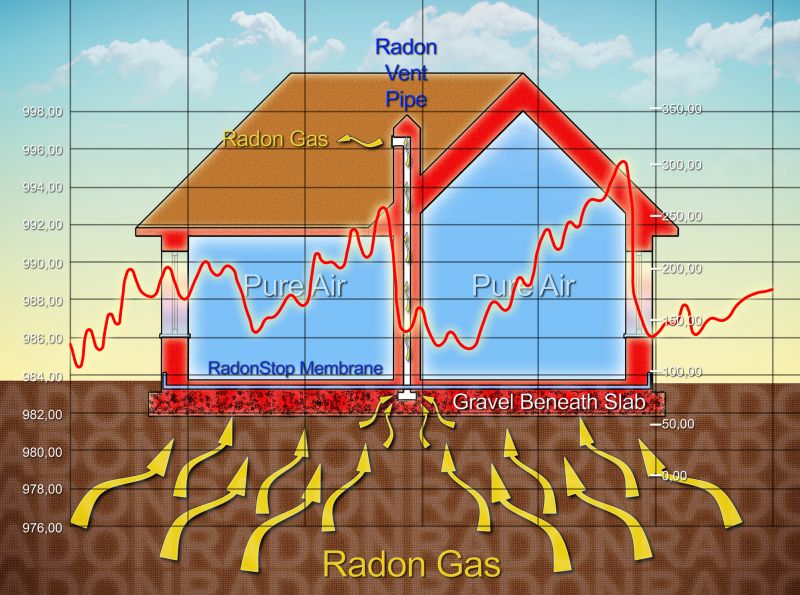
Radon Gas Abatement in Chicago, IL
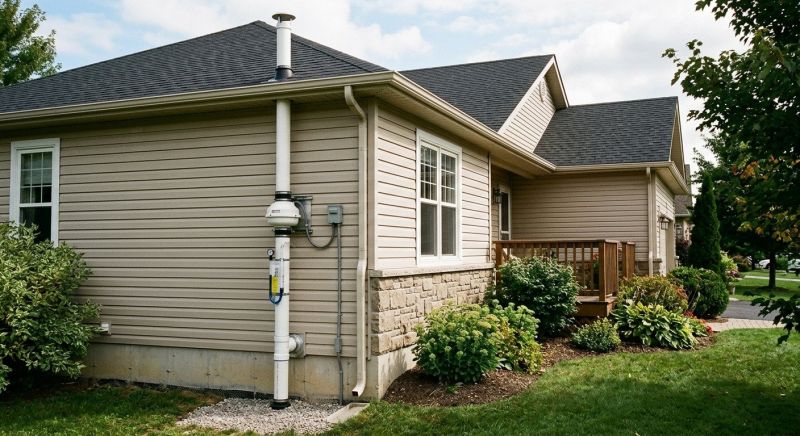
Radon gas abatement services focus on reducing indoor radon levels to protect the health of homeowners and occupants. These services typically involve installing specialized ventilation systems, such as sub-slab depressurization or soil suction units, to draw radon from beneath the property and vent it safely outside. Projects may include testing existing homes for radon levels, sealing entry points, or retrofitting older structures to improve air quality. Property owners often want to understand the extent of radon presence, the best mitigation methods for their specific property, and the overall impact on indoor air safety before requesting abatement services.
Homeowners considering radon abatement usually seek clarity on the process involved, the costs associated with installation and maintenance, and how the system will integrate with their property’s existing structure. It’s also common to inquire about the duration of the mitigation work and any potential disruptions during installation. Understanding these aspects helps property owners make informed decisions about protecting their indoor environment and ensuring safe living conditions.
Many property owners in Chicago, IL look into Radon Gas Abatement for repairs, replacements, upgrades, and appearance-related improvements.
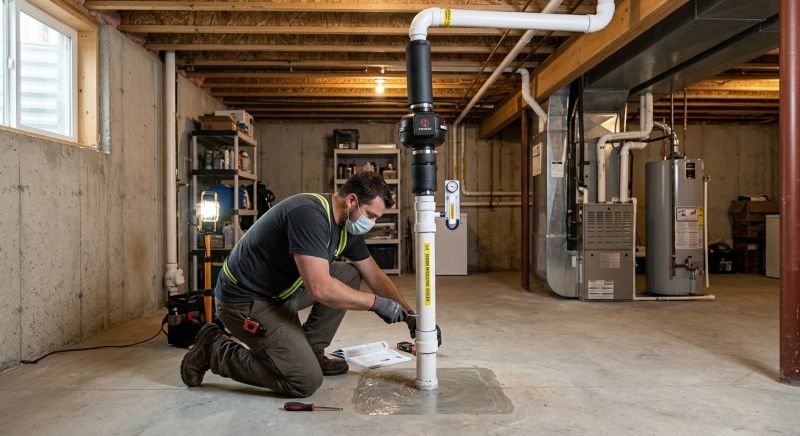
Understanding Radon Risks
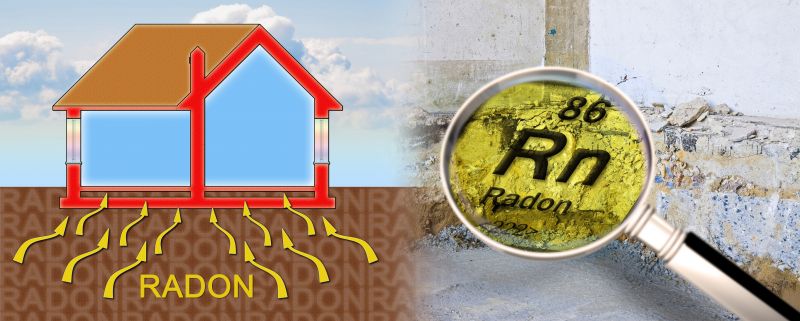
Radon gas can accumulate indoors, especially in basements and lower levels of chicago homes.
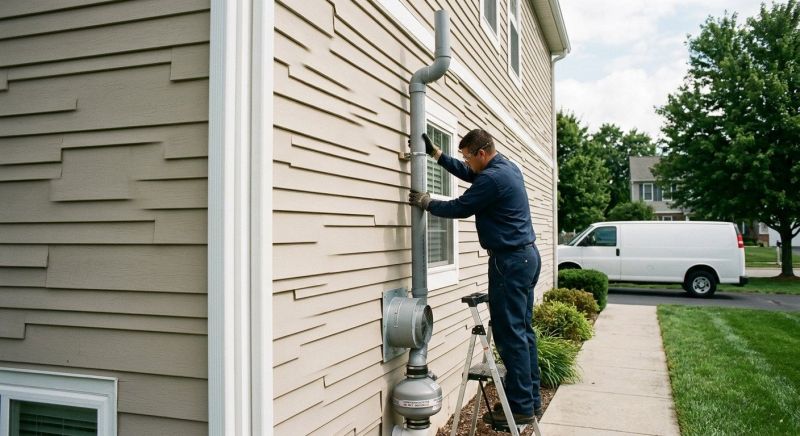
Abatement System Solutions
Installing venting and sealing techniques helps reduce radon levels in residential and commercial properties.
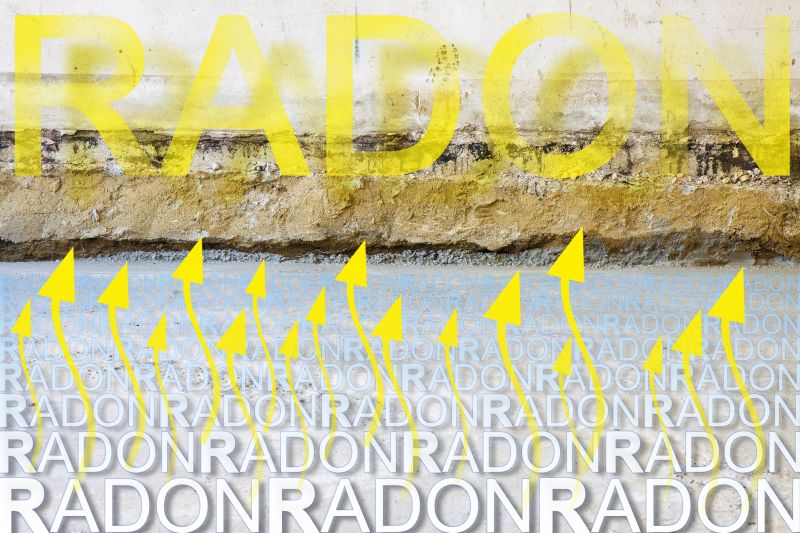
Health And Safety Benefits
Effective radon mitigation can improve indoor air quality and protect occupants from long-term health issues.
Radon Gas Abatement in Chicago, IL

Radon gas abatement services focus on reducing indoor radon levels to protect the health of homeowners and occupants. These services typically involve installing specialized ventilation systems, such as sub-slab depressurization or soil suction units, to draw radon from beneath the property and vent it safely outside. Projects may include testing existing homes for radon levels, sealing entry points, or retrofitting older structures to improve air quality. Property owners often want to understand the extent of radon presence, the best mitigation methods for their specific property, and the overall impact on indoor air safety before requesting abatement services.
Homeowners considering radon abatement usually seek clarity on the process involved, the costs associated with installation and maintenance, and how the system will integrate with their property’s existing structure. It’s also common to inquire about the duration of the mitigation work and any potential disruptions during installation. Understanding these aspects helps property owners make informed decisions about protecting their indoor environment and ensuring safe living conditions.
Many property owners in Chicago, IL look into Radon Gas Abatement for repairs, replacements, upgrades, and appearance-related improvements.
Common Radon Gas Abatement Jobs
Radon Mitigation Systems - installation of ventilation systems to reduce radon levels in homes.
Soil Venting Solutions - sealing and venting techniques to prevent radon entry through foundation cracks.
Sub-Slab Depressurization - creating negative pressure beneath the slab to draw radon out of the home.
Foundation Sealing - sealing cracks and openings to limit radon infiltration.
Radon Testing and Monitoring - assessing radon levels to determine the need for abatement measures.
Indoor Air Quality Improvements - strategies to reduce radon exposure and improve overall home safety.
Radon Gas Abatement Questions
What is radon gas abatement? Radon gas abatement involves reducing radon levels in a property to improve indoor air quality and safety.
When should radon mitigation be considered? Radon mitigation is recommended when testing shows elevated radon levels above safety guidelines.
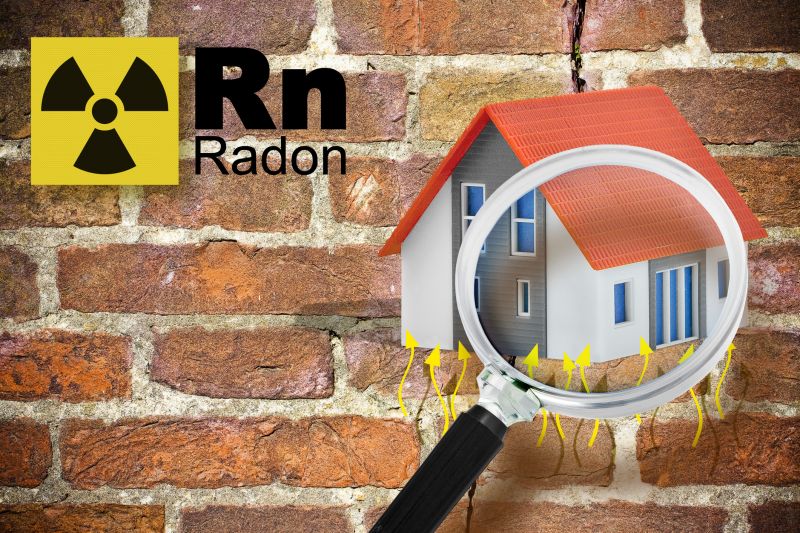
How does radon gas enter a property? Radon typically enters through cracks in foundations, gaps around pipes, and other openings in the building’s structure.
What are common radon abatement methods? Common methods include installing venting systems and sealing entry points to prevent radon from accumulating indoors.
Request Radon Gas Abatement in Chicago, IL
Use the quote form on this page to share the basics of your project and request more information for the type of work you need.